
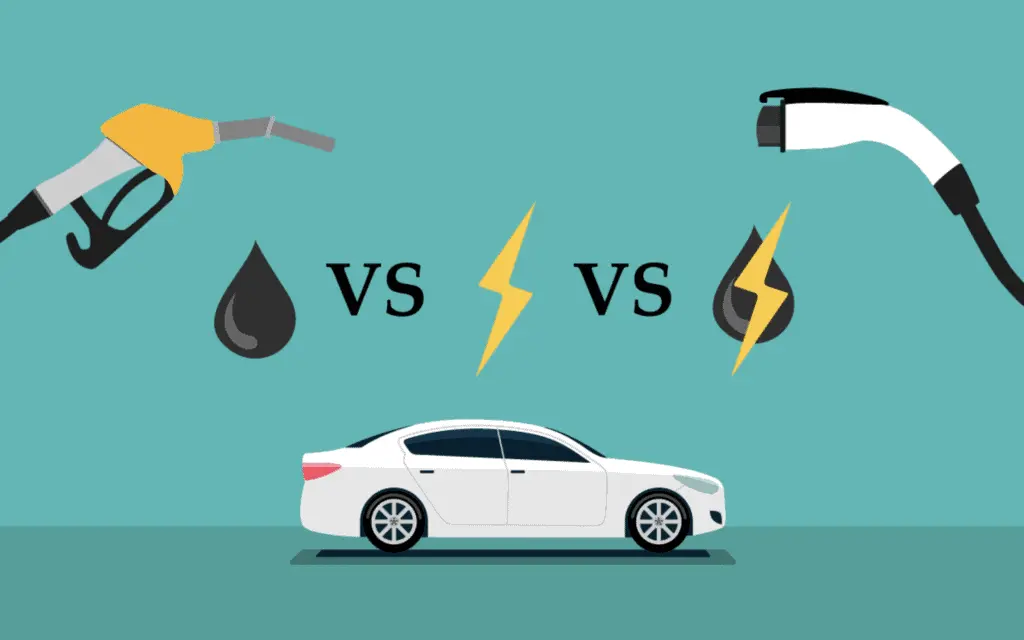
The automotive world is changing faster than ever. Electric vehicles (EVs) are rising rapidly, gas-powered cars remain widely used, and hybrids sit right in the middle — offering a mix of electric efficiency and gasoline convenience.
If you’re planning to buy a car in 2026 or beyond, choosing between these three can be confusing.
This guide breaks down EV vs Gas vs Hybrid in a simple, real-world way to help you make the best decision.
🔋 What Is an EV (Electric Vehicle)?
An EV runs 100% on electricity.
You charge it at home or at public charging stations. There is no gasoline engine.
Key Features
- Large battery pack
- Electric motor
- Regenerative braking
- Zero tailpipe emissions
EVs are the cleanest and quietest vehicles on the road.
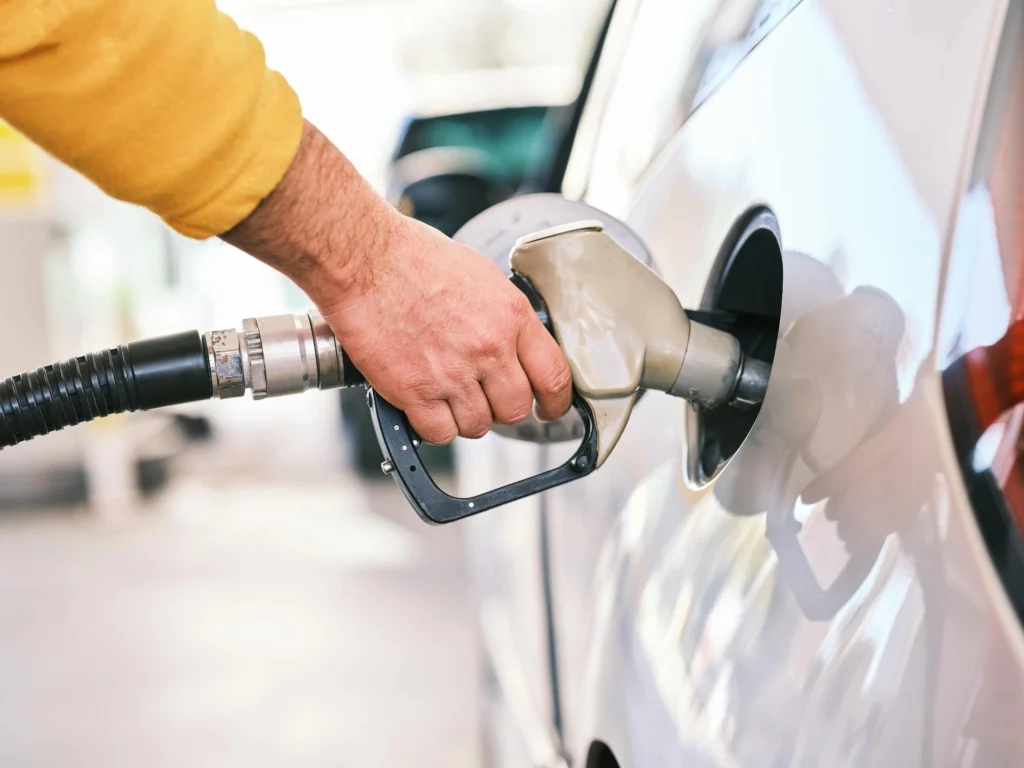
⛽ What Is a Gas Car (Internal Combustion Engine Vehicle)?
A gas car uses a petrol or diesel engine to create power through combustion.
Key Features
- Engine
- Fuel tank
- Exhaust system
- Standard transmission
Gas cars have the fastest refueling and remain dominant globally.
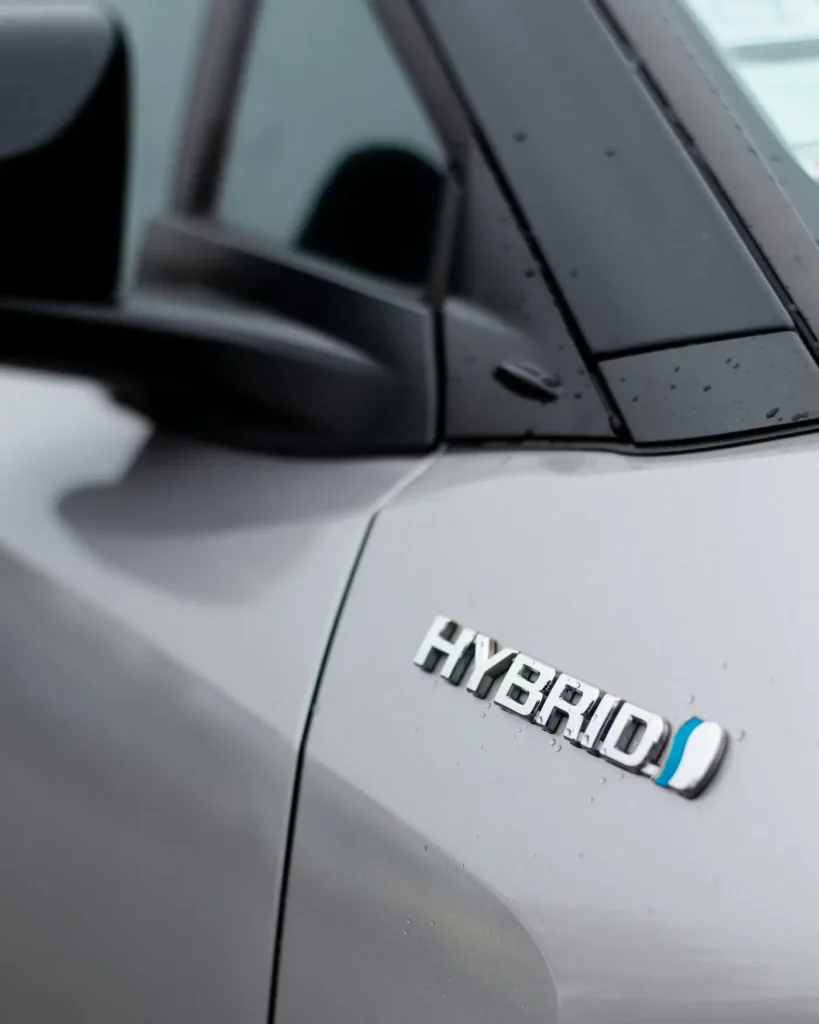
🔄 What Is a Hybrid Car?
A hybrid combines a gas engine + electric motor.
You don’t plug it in (except plug-in hybrids).
The battery charges itself using:
- regenerative braking
- the engine
- smart energy management
Two Types
- Regular Hybrid (HEV) — No charging; engine + battery work together
- Plug-In Hybrid (PHEV) — You can plug it in; offers short electric-only range (20–60 miles)
Hybrids offer the best of both worlds for many drivers.
📊 EV vs Gas vs Hybrid: Quick Comparison Table
| Feature | Electric Vehicles (EVs) | Gas Cars | Hybrid Cars |
|---|---|---|---|
| Fueling | Charge with electricity | Gas stations | Mostly gas + small electric boost |
| Range | 200–400+ miles | 400–600 miles | 500–700 miles |
| Running Cost | Very low | High | Medium–low |
| Maintenance | Low | High | Medium |
| Emissions | Zero tailpipe | High | Lower than gas |
| Refueling Time | Slow (30–60 mins fast charge) | 2–3 minutes | Same as gas |
| Purchase Price | Highest | Lowest | Mid-range |
| Ideal For | Daily driving, city use | Long trips, rural areas | Mixed driving + fuel savings |
| Weather Impact | Range decreases in cold | No major impact | Slight impact |
| Noise Level | Very quiet | Loud | Quiet-medium |
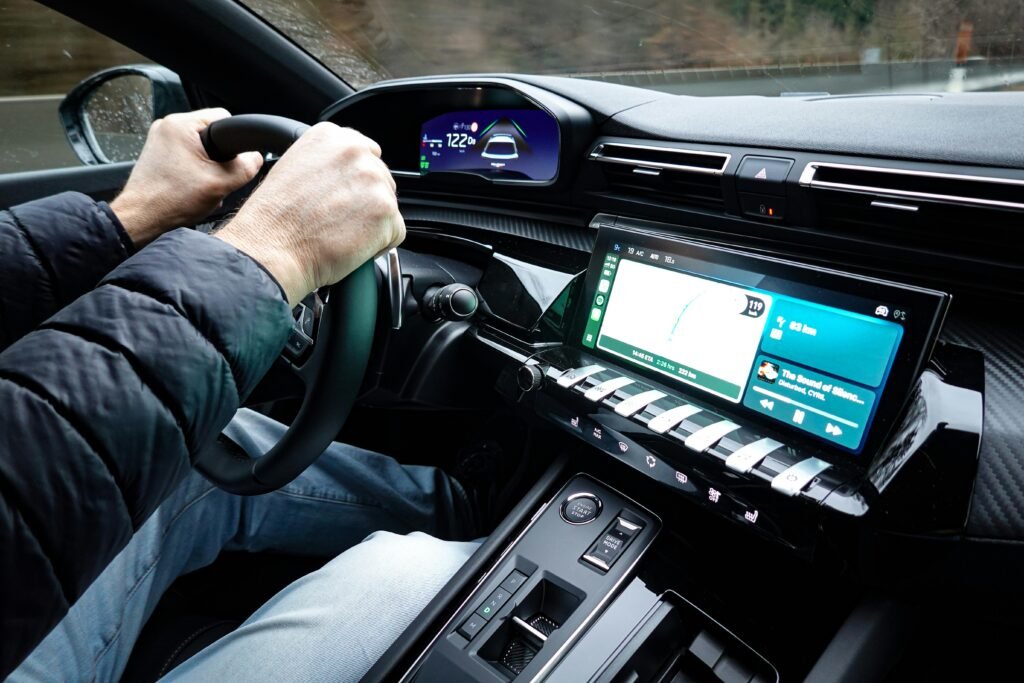
⚡ Advantages of EVs
1️⃣ Lower Running Cost
Electricity is cheaper than gas.
Charging at home saves money long-term.
2️⃣ Less Maintenance
No oil changes
No engine repairs
No transmission failures
3️⃣ Environmentally Friendly
Zero tailpipe emissions = cleaner air.
4️⃣ Smooth & Instant Acceleration
Electric motors deliver instant torque, making EVs feel powerful and modern.
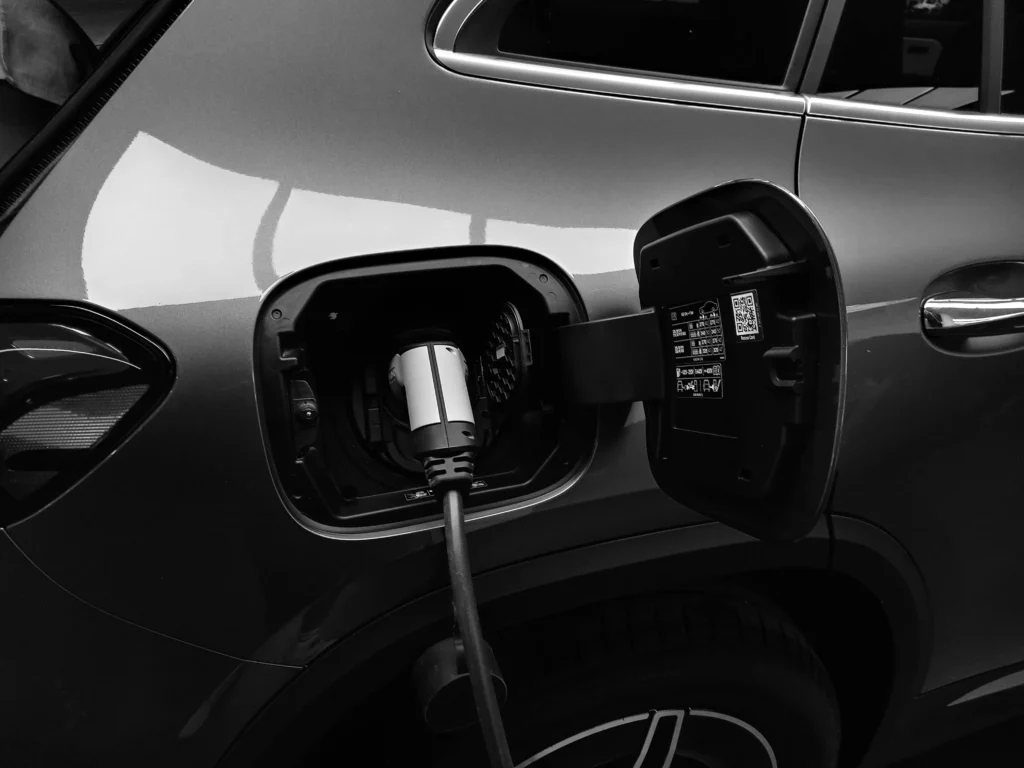
🔥 Advantages of Gas Cars
1️⃣ Cheapest Initial Price
More affordable models available.
2️⃣ Fastest Refueling
Full tank in 2 minutes → perfect for long trips.
3️⃣ No Need for Charging
Great for people without a home charger.
4️⃣ Proven, Long-Standing Technology
Easy to repair, widely available parts.
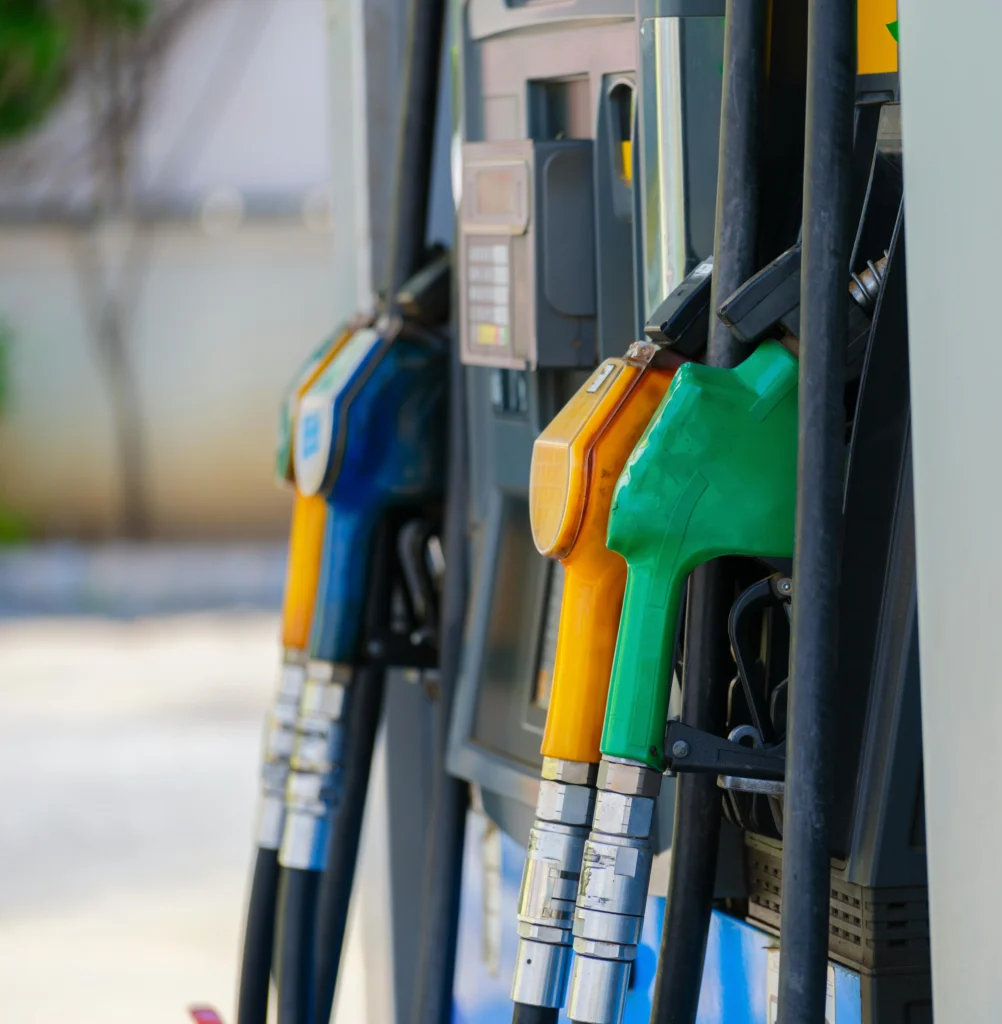
🔄 Advantages of Hybrid Cars (HEV & PHEV)
1️⃣ Better Fuel Efficiency
Hybrids use the electric motor at low speeds and gas engine at high speeds.
2️⃣ No Charging Required (HEV)
Battery recharges automatically.
3️⃣ Perfect for City + Highway Mix
Best option for drivers with varied routes.
4️⃣ PHEVs Can Drive Electrically
Plug-in hybrids offer:
- 20–60 miles EV range
- Then switch to gas for long trips
This is ideal if you want some EV benefits without range anxiety.
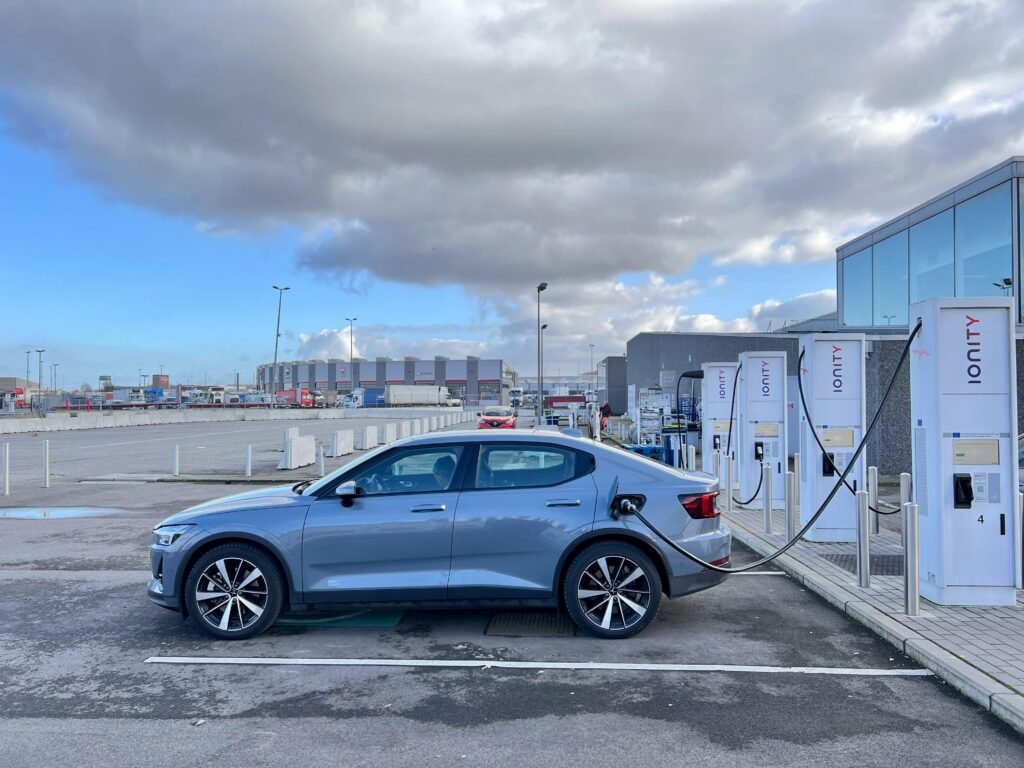
⚠️ Drawbacks of Each Type
EV Drawbacks
- Higher upfront price
- Slow charging when traveling
- Range decreases in cold weather
- Charging infrastructure varies by location
Gas Car Drawbacks
- Most expensive to operate long-term
- High emissions
- Requires regular engine maintenance
- Gas prices are unpredictable
Hybrid Drawbacks
- More complex system (engine + battery)
- More parts = more maintenance than EV
- PHEV EV range is usually short
- Not as fast or smooth as full EVs
💰 Long-Term Cost Breakdown
EV
- Lowest running cost
- Lowest maintenance
- Higher purchase price
- Best savings for daily drivers
Gas Car
- Highest fuel expense
- Higher maintenance
- Lower initial price
- Good for long trips
Hybrid
- Medium fuel cost
- Moderate maintenance
- Great balance of price + savings
- Best for mixed driving styles
🚘 Which One Should You Buy?
👍 Choose an EV if you:
- Drive mostly in the city
- Can charge at home
- Want minimal maintenance
- Want the latest technology
- Care about the environment
👍 Choose a Gas Car if you:
- Drive very long distances frequently
- Live in rural areas
- Don’t have charging access
- Want a lower purchase price
👍 Choose a Hybrid if you:
- Want good fuel economy
- Drive a mix of city + highway
- Want EV benefits without range anxiety
- Don’t want to rely 100% on charging
- Want a balanced, practical option
🌍 The Future: EVs Will Dominate, but Not Immediately
Experts predict:
- EV adoption will rise sharply after 2027
- Hybrids will grow the fastest in the next 5 years
- Gas cars will remain in rural + developing areas
- Governments pushing for emissions reduction will accelerate EV and hybrid growth
By 2035, EVs may represent the majority of new car sales in many countries.
Hybrids will remain a strong transitional technology.
Gas cars will continue, but slowly decline.
🎯 Final Thoughts
EV vs Gas vs Hybrid depends on your lifestyle, driving habits, and location.
There is no “one-size-fits-all” answer:
- EVs are the future.
- Hybrids are the best all-rounders today.
- Gas cars still serve specific needs well.
In 2026 and beyond, the smart choice is the one that fits your daily routine, not just the latest trend.


Leave a Reply