Category: Technology

  • Windows vs Mac in 2026: Which One Should You Choose?

    Windows vs Mac in 2026: Which One Should You Choose?

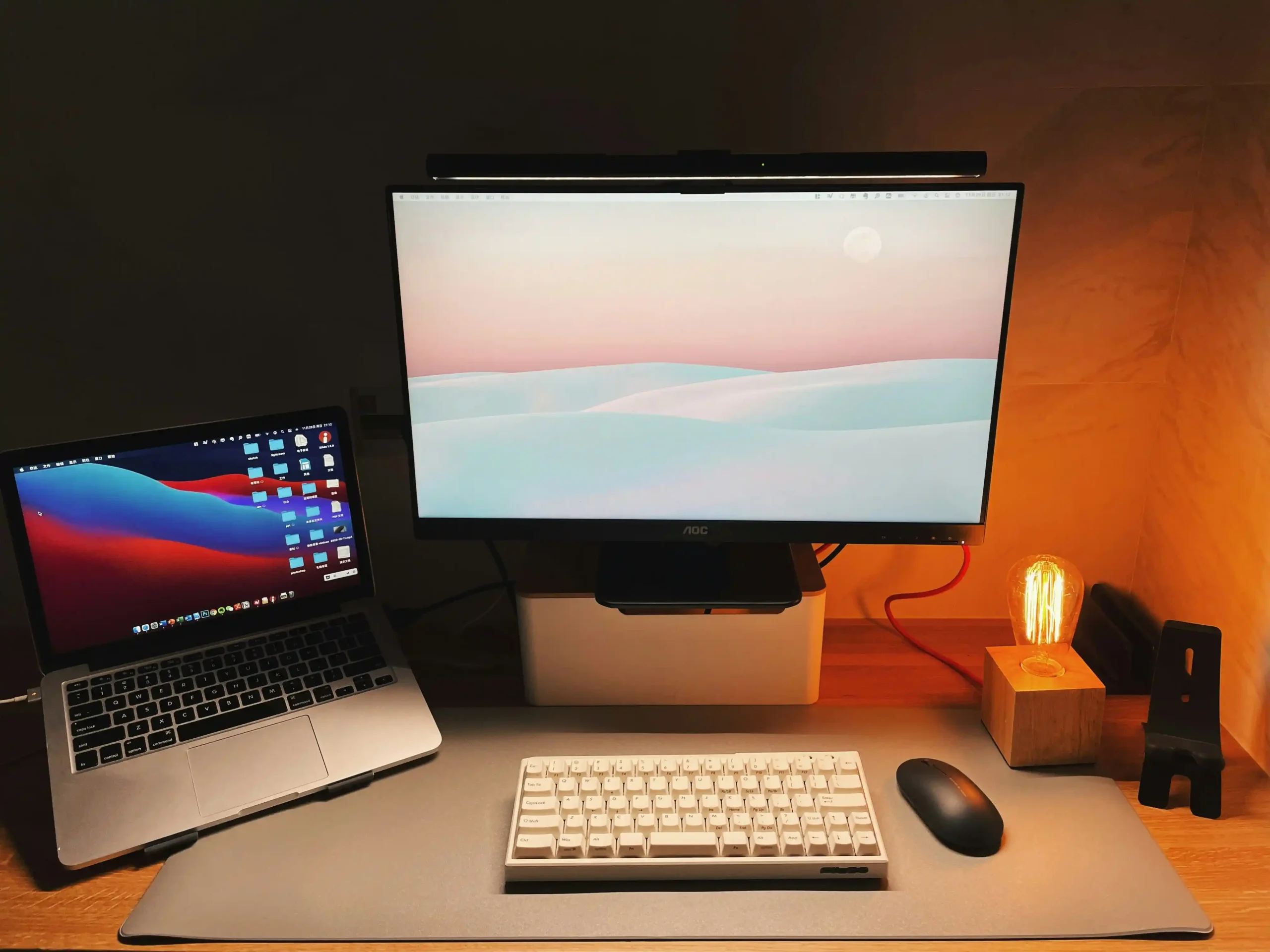
    If you’re deciding between Windows vs Mac in 2026, the best choice depends on how you actually use your laptop: work, study, content creation, gaming, or business. In 2026, both platforms are fast, AI-enhanced, and capable—but they win in different areas.

    This guide compares Windows vs Mac in 2026 by performance, battery, AI features, software compatibility, gaming, price, and ecosystem—so you can choose confidently.


    Quick Verdict (2026)
    Choose Windows in 2026 if you want:

    • More laptop choices (budget to premium)
    • Better gaming and wider game support
    • Strong compatibility with specialized software
    • More upgrades and customization (on many models)

    Choose Mac in 2026 if you want:

    • Excellent battery life and power efficiency
    • Smooth performance for creative tasks
    • A stable, consistent experience across devices
    • The best integration with iPhone/iPad

    Performance: Who Feels Faster in Real Life?

    Windows performance in 2026

    Windows laptops now come with multiple chip options (Intel, AMD, and ARM-based Windows PCs). The upside is variety—ultrabooks, gaming laptops, business machines, and budget models.

    Windows wins when you need:

    • Maximum hardware options (CPU/GPU combinations)
    • Specialized performance setups (gaming + high GPU power)
    • Upgrade paths on certain laptops (SSD/RAM on some)

    Windows downside: performance and battery can vary a lot depending on brand and model.
    Mac performance in 2026

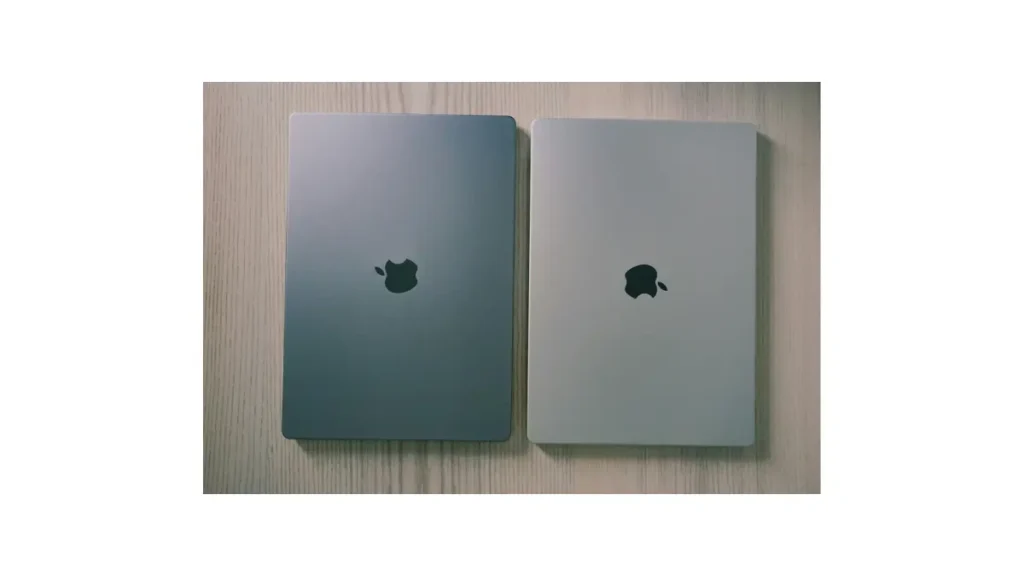
    MacBooks are built around Apple Silicon and are known for consistent performance, low heat, and strong efficiency.

    Mac wins when you need:

    • Reliable speed without loud fans
    • Strong creative performance (editing, design, production)
    • Great performance even on battery power

    Mac downside: fewer hardware choices and limited upgrades.


    Battery Life & Portability

    Battery is one of the biggest deciding factors in 2026.

    MacBook advantage: Many MacBooks can deliver all-day battery with stable performance.

    Windows advantage: Some Windows laptops can match great battery life, but it depends heavily on the model—gaming laptops usually prioritize power over longevity.

    Rule of thumb: If you hate carrying chargers → Mac is usually the safer pick.

    Software Compatibility (The Practical Difference)

    Windows in 2026

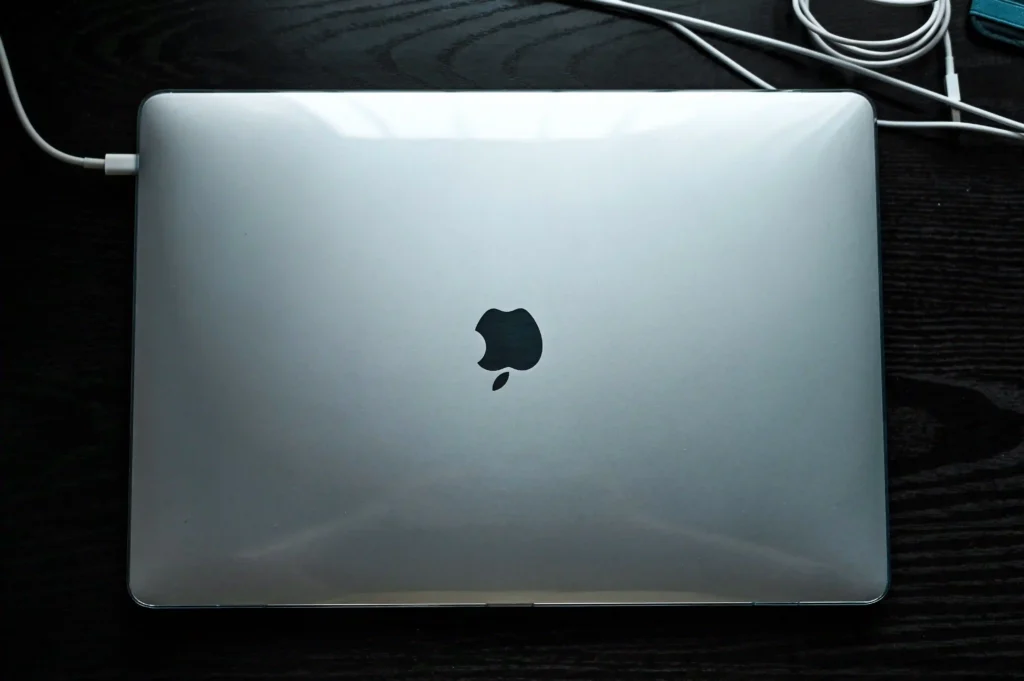
    Windows still offers the widest software support. If your job or school requires specific apps, Windows is often the easiest choice.

    Best for:

    • Engineering and specialized tools
    • Enterprise and office environments
    • Legacy software compatibility
    • Broader hardware driver support

    Mac in 2026

    macOS shines when apps are optimized for it—especially creative tools and smooth productivity workflows.

    Best for:

    • Video editing and media work
    • Music production
    • Design and UI/UX workflows
    • Long-term stability

    Gaming: Windows Still Dominates

    If gaming matters, Windows is the clear winner in 2026.

    Why Windows wins:

    • Better GPU support and drivers
    • Massive game library
    • Strong compatibility with Steam/Epic and major titles

    Mac gaming has improved, but it’s still limited compared to Windows.


    AI Features: Windows vs Mac in 2026

    Both platforms are integrating AI more deeply than ever.

    Windows AI in 2026

    Windows is focusing on:

    • AI tools built into the operating system
    • AI-enhanced productivity features
    • Strong support for AI-capable chipsets in new laptops

    Mac AI in 2026

    Apple’s direction tends to emphasize:

    • More on-device processing (privacy-focused)
    • Smooth integration into daily workflows
    • AI that feels consistent rather than “gimmicky”

    Simple takeaway: Windows pushes new AI features faster; Mac focuses on refinement and privacy.


    Ecosystem: iPhone Users vs Everyone Else

    Mac ecosystem advantage

    If you use an iPhone or iPad, Mac often feels effortless:

    • Quick file sharing
    • Easy device continuity
    • Messages/calls integration (depending on setup)

    Windows ecosystem advantage

    Windows fits better if you mix brands:

    • More flexibility (Android, iOS, mixed devices)
    • Easier to build a custom setup without being locked into one ecosystem

    Price & Value in 2026

    Windows

    Windows laptops cover every price point:

    • Budget options for students
    • Midrange productivity machines
    • Premium ultrabook
    • High-performance gaming laptops

    Mac

    MacBooks cost more upfront, but:

    • Build quality is consistent
    • Long-term software support is strong
    • Resale value is often higher

    Best Choice by User Type (2026)

    Best for students

    • Windows if budget matters
    • Mac if you want longevity + battery + stability

    Best for creators (editing, design, media)

    • Mac in most cases

    Best for gaming

    • Windows always

    Best for business & flexibility

    • Windows for widest tool compatibility
    • Mac for teams already using Apple devices

    Final Recommendation

    If you want a safe “no-regrets” choice:

    • Pick Windows if you need flexibility, gaming, or specialized software.
    • Pick Mac if you value battery, efficiency, and a smooth creative workflow.

    FAQ

    Is Windows or Mac better in 2026?

    Windows is better for flexibility, gaming, and software compatibility, while Mac is better for battery life, creative work, and Apple ecosystem integration.

    Is Mac worth buying in 2026?

    Yes. MacBooks remain worth buying in 2026 due to efficiency, battery life, strong resale value, and long-term stability.

    Can Macs replace Windows laptops in 2026?

    For most users, yes. But Windows is still better if you need gaming, certain professional software, or specific hardware support.

    Which is better for students in 2026?

    Windows is better for students on a budget. Mac is better for students who prioritize battery life, creative work, and long-term reliability.
  • ⚡ EV vs. Gas vs. Hybrid Cars: Which One Should You Choose in 2026?

    ⚡ EV vs. Gas vs. Hybrid Cars: Which One Should You Choose in 2026?

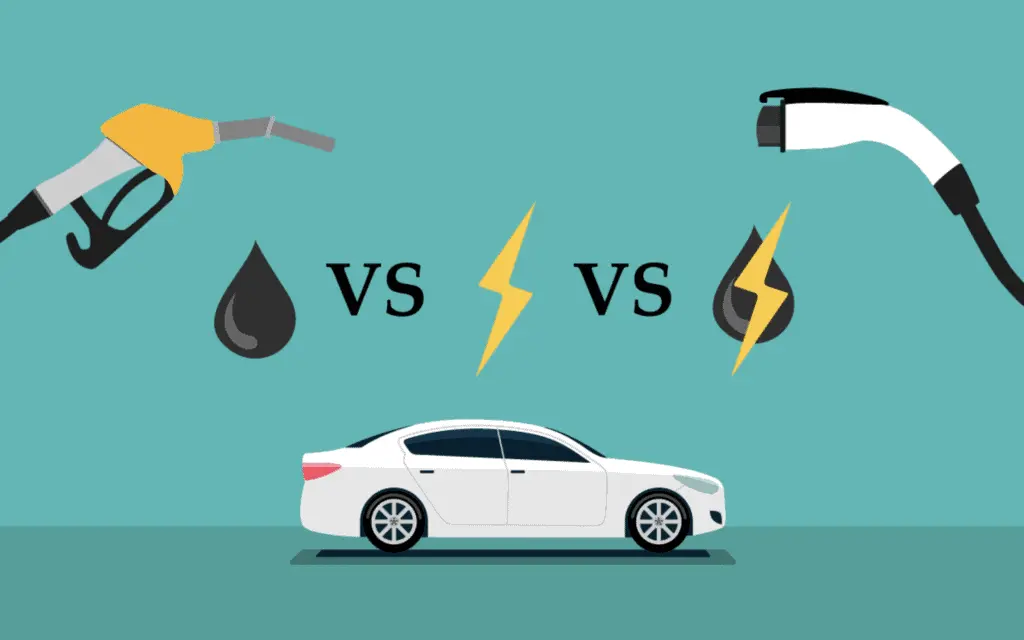
    The automotive world is changing faster than ever. Electric vehicles (EVs) are rising rapidly, gas-powered cars remain widely used, and hybrids sit right in the middle — offering a mix of electric efficiency and gasoline convenience.

    If you’re planning to buy a car in 2026 or beyond, choosing between these three can be confusing.
    This guide breaks down EV vs Gas vs Hybrid in a simple, real-world way to help you make the best decision.


    what is an EV?

    🔋 What Is an EV (Electric Vehicle)?

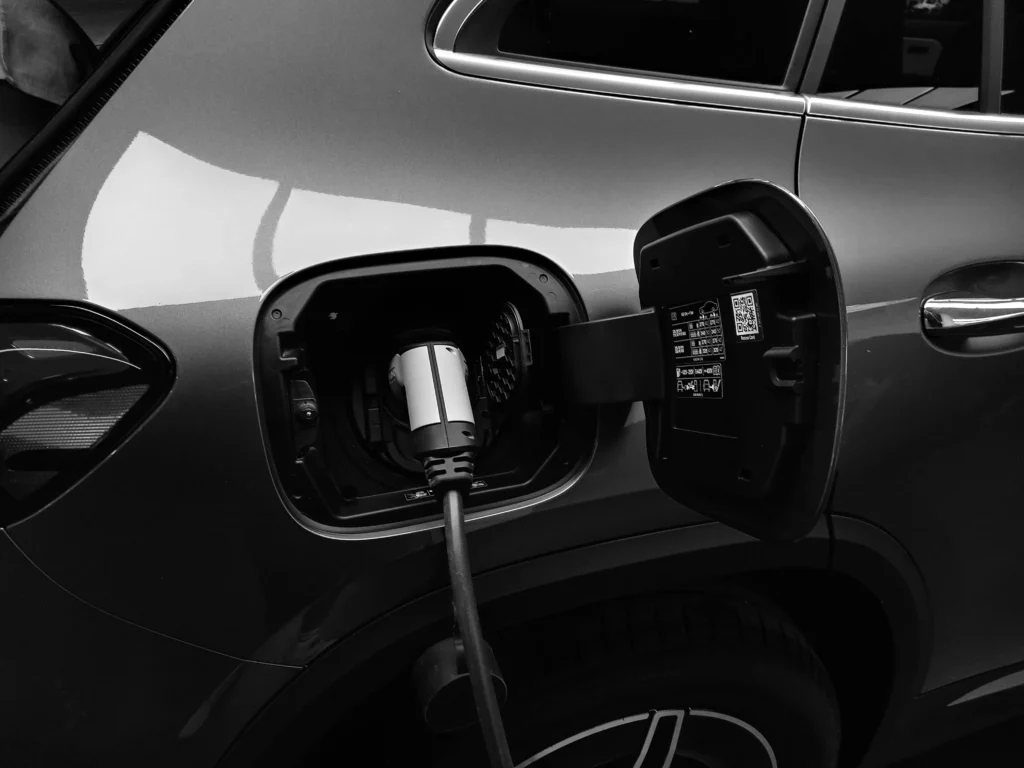
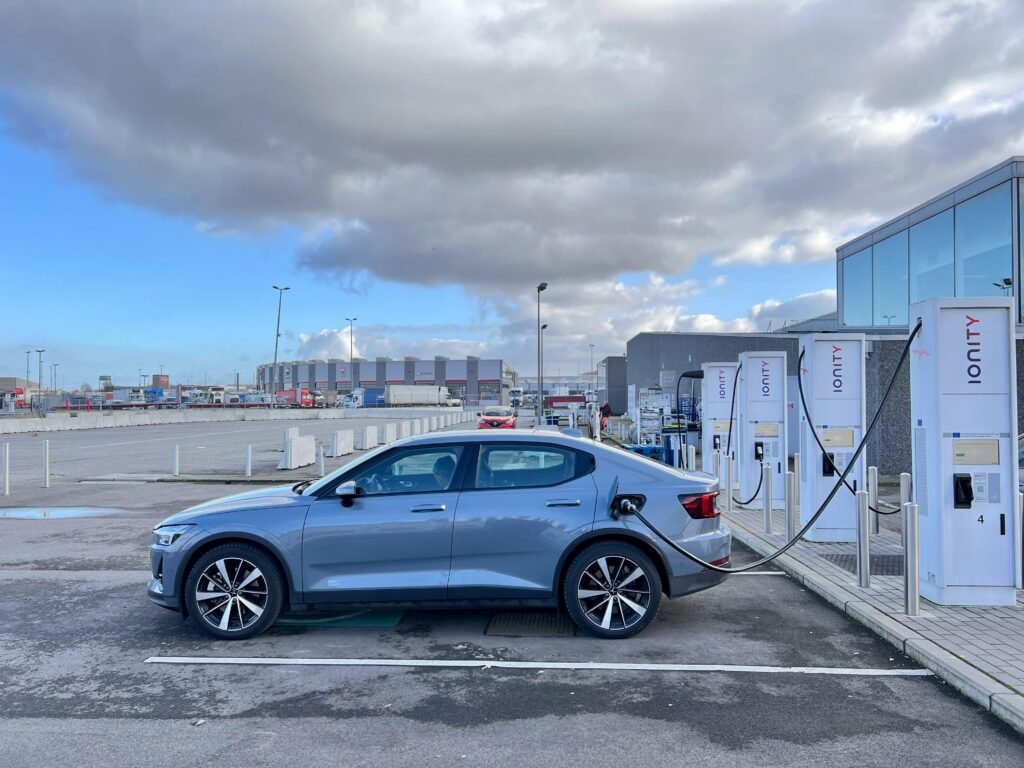
    An EV runs 100% on electricity.
    You charge it at home or at public charging stations. There is no gasoline engine.

    Key Features

    • Large battery pack
    • Electric motor
    • Regenerative braking
    • Zero tailpipe emissions

    EVs are the cleanest and quietest vehicles on the road.

    What is a Gas car?

    ⛽ What Is a Gas Car (Internal Combustion Engine Vehicle)?

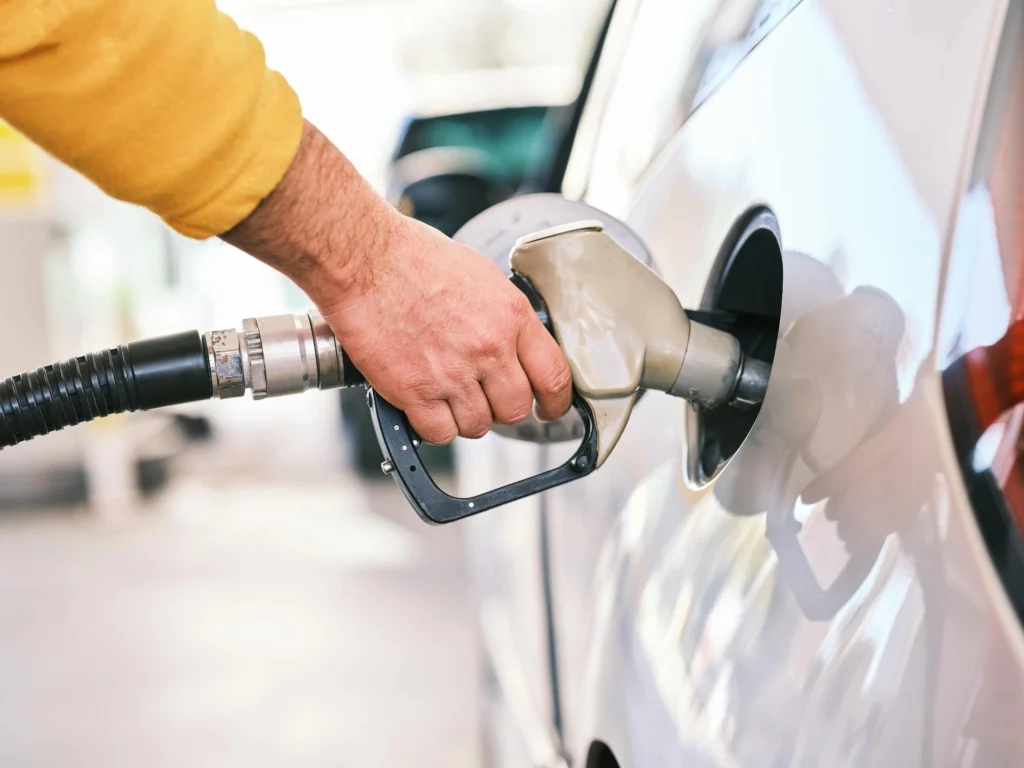
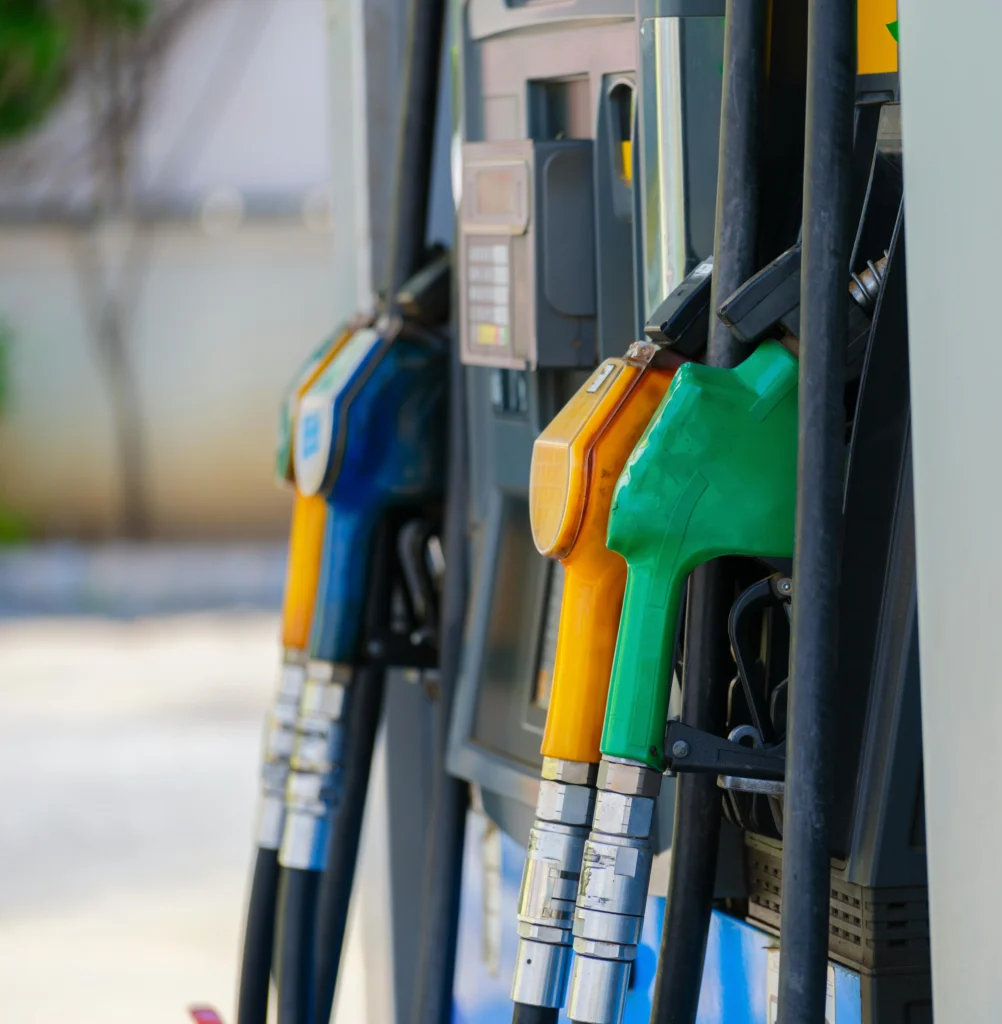
    A gas car uses a petrol or diesel engine to create power through combustion.

    Key Features

    • Engine
    • Fuel tank
    • Exhaust system
    • Standard transmission

    Gas cars have the fastest refueling and remain dominant globally.


    what is a hybrid car?

    🔄 What Is a Hybrid Car?

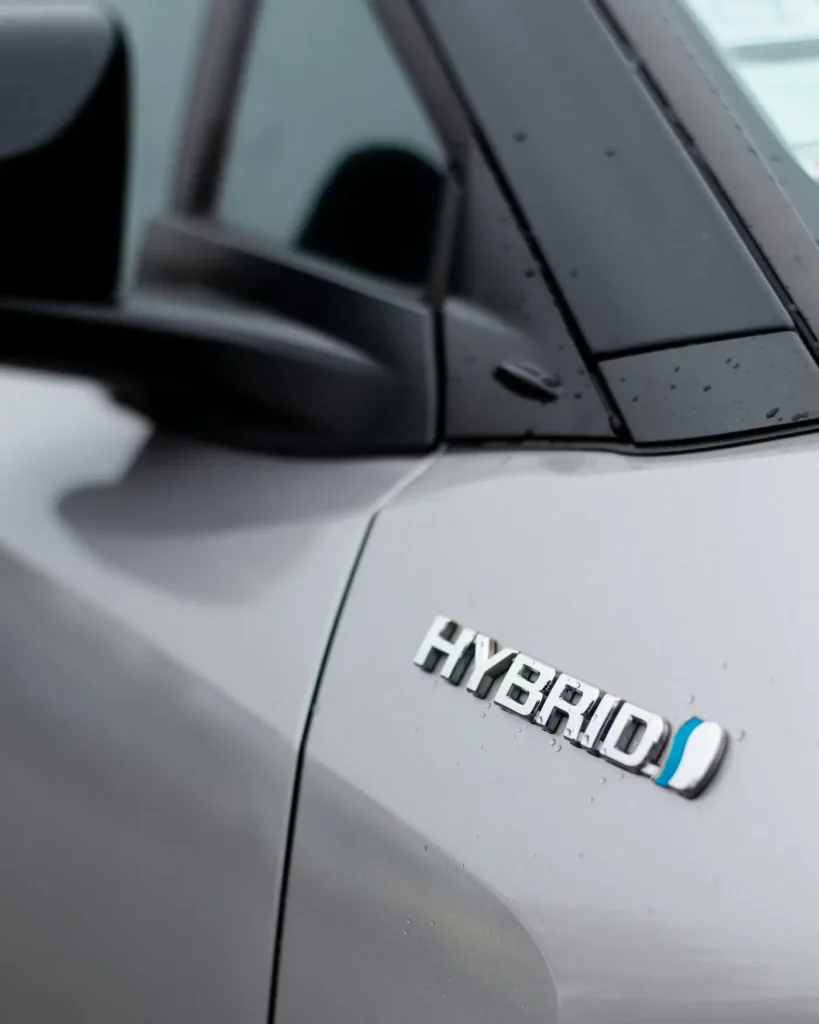
    A hybrid combines a gas engine + electric motor.

    You don’t plug it in (except plug-in hybrids).
    The battery charges itself using:

    • regenerative braking
    • the engine
    • smart energy management

    Two Types

    1. Regular Hybrid (HEV) — No charging; engine + battery work together
    2. Plug-In Hybrid (PHEV) — You can plug it in; offers short electric-only range (20–60 miles)

    Hybrids offer the best of both worlds for many drivers.


    📊 EV vs Gas vs Hybrid: Quick Comparison Table

    FeatureElectric Vehicles (EVs)Gas CarsHybrid Cars
    FuelingCharge with electricityGas stationsMostly gas + small electric boost
    Range200–400+ miles400–600 miles500–700 miles
    Running CostVery lowHighMedium–low
    MaintenanceLowHighMedium
    EmissionsZero tailpipeHighLower than gas
    Refueling TimeSlow (30–60 mins fast charge)2–3 minutesSame as gas
    Purchase PriceHighestLowestMid-range
    Ideal ForDaily driving, city useLong trips, rural areasMixed driving + fuel savings
    Weather ImpactRange decreases in coldNo major impactSlight impact
    Noise LevelVery quietLoudQuiet-medium

    Types of car: comparison

    ⚡ Advantages of EVs

    1️⃣ Lower Running Cost

    Electricity is cheaper than gas.
    Charging at home saves money long-term.

    2️⃣ Less Maintenance

    No oil changes
    No engine repairs
    No transmission failures

    3️⃣ Environmentally Friendly

    Zero tailpipe emissions = cleaner air.

    4️⃣ Smooth & Instant Acceleration

    Electric motors deliver instant torque, making EVs feel powerful and modern.


    advantages of EV

    🔥 Advantages of Gas Cars

    1️⃣ Cheapest Initial Price

    More affordable models available.

    2️⃣ Fastest Refueling

    Full tank in 2 minutes → perfect for long trips.

    3️⃣ No Need for Charging

    Great for people without a home charger.

    4️⃣ Proven, Long-Standing Technology

    Easy to repair, widely available parts.


    🔄 Advantages of Hybrid Cars (HEV & PHEV)

    1️⃣ Better Fuel Efficiency

    Hybrids use the electric motor at low speeds and gas engine at high speeds.

    2️⃣ No Charging Required (HEV)

    Battery recharges automatically.

    3️⃣ Perfect for City + Highway Mix

    Best option for drivers with varied routes.

    4️⃣ PHEVs Can Drive Electrically

    Plug-in hybrids offer:

    • 20–60 miles EV range
    • Then switch to gas for long trips

    This is ideal if you want some EV benefits without range anxiety.

    advantages of Hybrid Cars

    ⚠️ Drawbacks of Each Type

    EV Drawbacks

    • Higher upfront price
    • Slow charging when traveling
    • Range decreases in cold weather
    • Charging infrastructure varies by location

    Gas Car Drawbacks

    • Most expensive to operate long-term
    • High emissions
    • Requires regular engine maintenance
    • Gas prices are unpredictable

    Hybrid Drawbacks

    • More complex system (engine + battery)
    • More parts = more maintenance than EV
    • PHEV EV range is usually short
    • Not as fast or smooth as full EVs

    💰 Long-Term Cost Breakdown

    EV

    • Lowest running cost
    • Lowest maintenance
    • Higher purchase price
    • Best savings for daily drivers

    Gas Car

    • Highest fuel expense
    • Higher maintenance
    • Lower initial price
    • Good for long trips

    Hybrid

    • Medium fuel cost
    • Moderate maintenance
    • Great balance of price + savings
    • Best for mixed driving styles

    🚘 Which One Should You Buy?

    👍 Choose an EV if you:

    • Drive mostly in the city
    • Can charge at home
    • Want minimal maintenance
    • Want the latest technology
    • Care about the environment

    👍 Choose a Gas Car if you:

    • Drive very long distances frequently
    • Live in rural areas
    • Don’t have charging access
    • Want a lower purchase price

    👍 Choose a Hybrid if you:

    • Want good fuel economy
    • Drive a mix of city + highway
    • Want EV benefits without range anxiety
    • Don’t want to rely 100% on charging
    • Want a balanced, practical option

    🌍 The Future: EVs Will Dominate, but Not Immediately

    Experts predict:

    • EV adoption will rise sharply after 2027
    • Hybrids will grow the fastest in the next 5 years
    • Gas cars will remain in rural + developing areas
    • Governments pushing for emissions reduction will accelerate EV and hybrid growth

    By 2035, EVs may represent the majority of new car sales in many countries.

    Hybrids will remain a strong transitional technology.

    Gas cars will continue, but slowly decline.


    🎯 Final Thoughts

    EV vs Gas vs Hybrid depends on your lifestyle, driving habits, and location.
    There is no “one-size-fits-all” answer:

    • EVs are the future.
    • Hybrids are the best all-rounders today.
    • Gas cars still serve specific needs well.

    In 2026 and beyond, the smart choice is the one that fits your daily routine, not just the latest trend.

  • Foldables in 2026: How Foldable Phones Are Shaping the Future of Smartphones

    Foldables in 2026: How Foldable Phones Are Shaping the Future of Smartphones

    Introduction

    Foldable smartphones are entering a new era, and foldables in 2026 are expected to be the most advanced generation yet. With stronger hinges, improved durability, better multitasking features, and innovations like rollable and tri-fold screens, foldable phones are transforming how people use mobile devices. This article explores why 2026 will be a breakthrough year for foldables and how these devices will redefine the future of smartphones.


    1. Bigger Screens Without Bigger Pockets

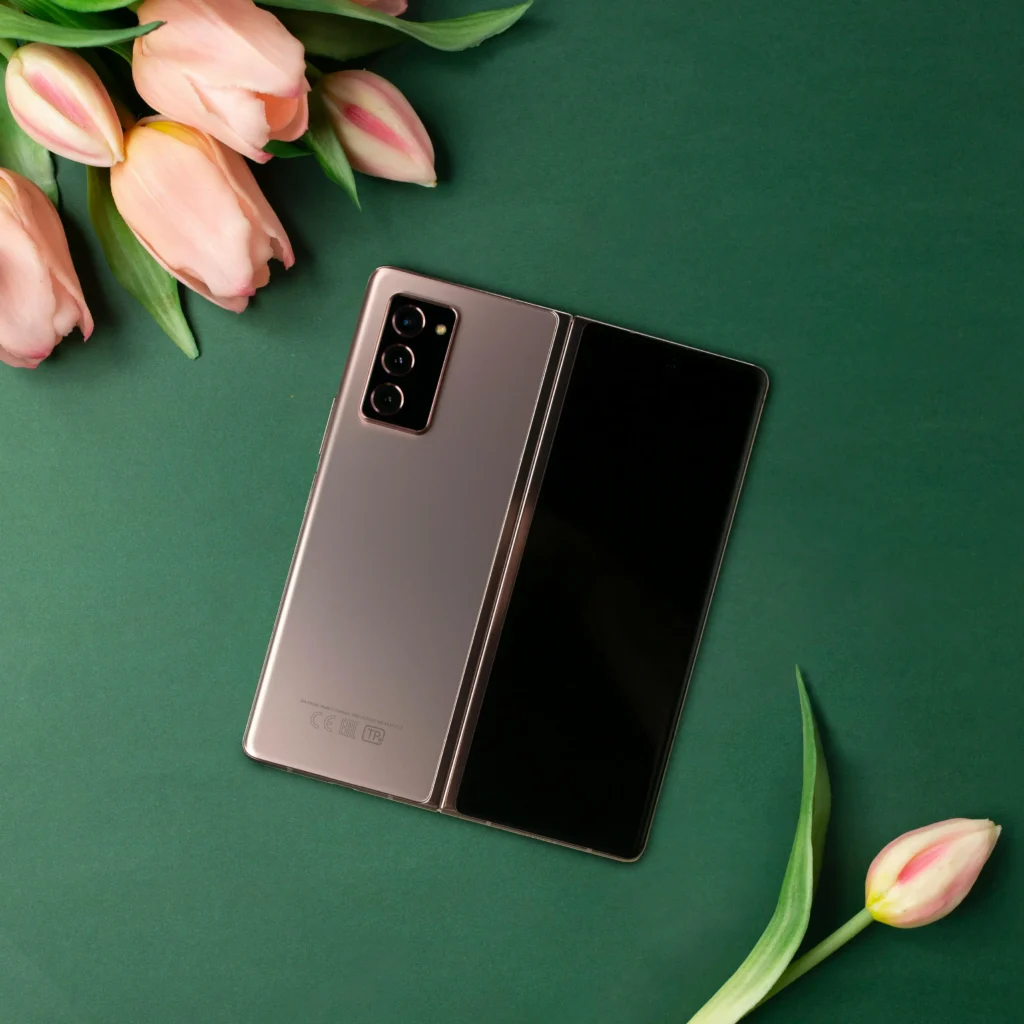
    folding phones
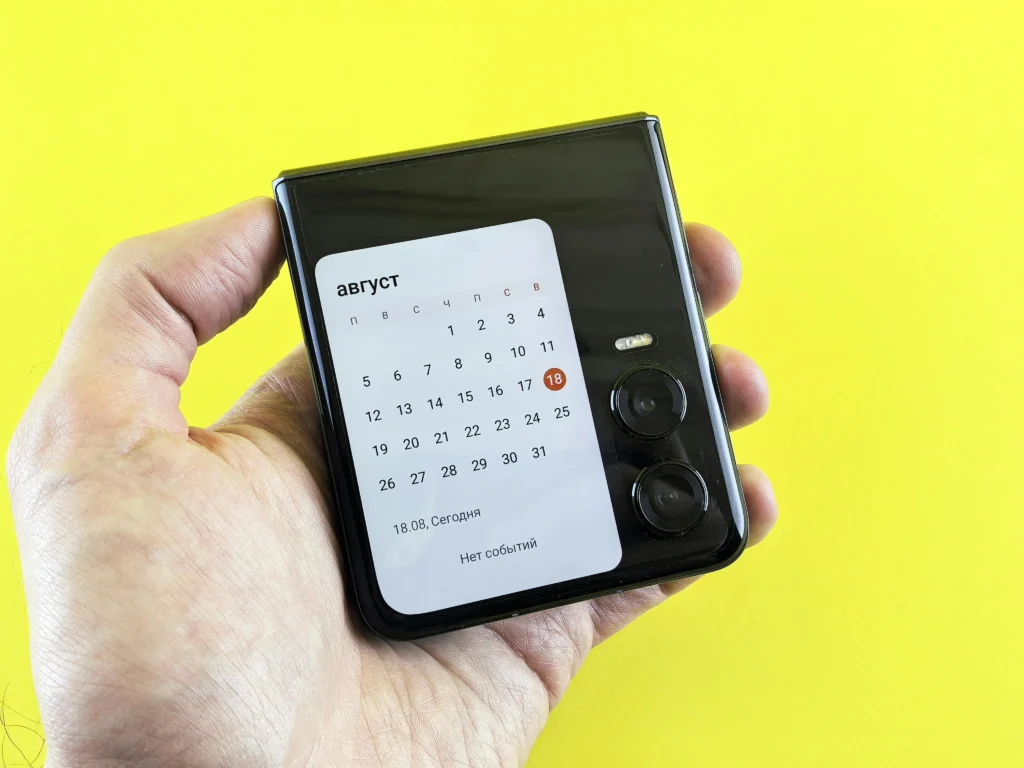
    use of folding phones
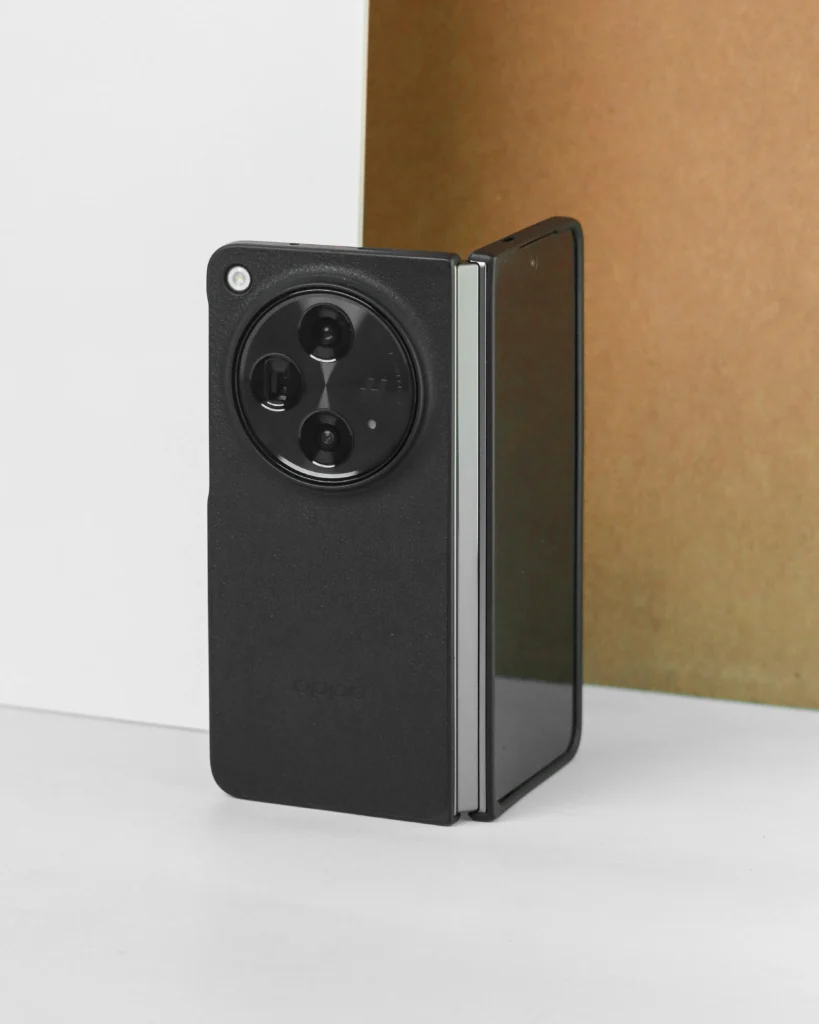
    dual screen folding phone

    Foldable phones give users the experience they want most:

    • Compact and easy to carry when folded
    • Large, immersive display when opened

    Perfect for:

    • Watching videos
    • Reading articles
    • Browsing
    • Productivity and work

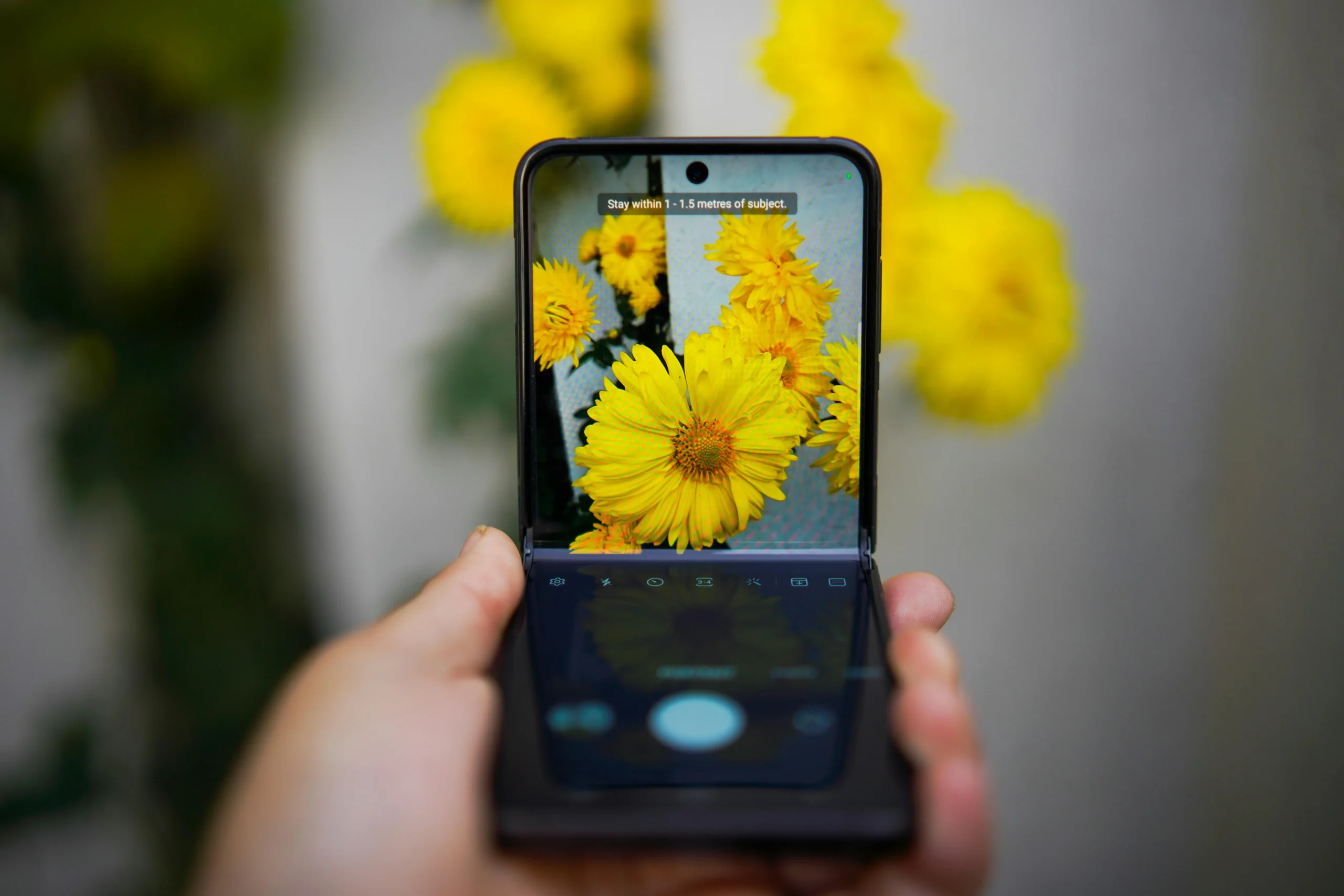
    Foldables combine portability and power in a way traditional slab phones cannot match.


    2. The Future of Multitasking

    Foldable phones support real desktop-like multitasking, including:

    • Running multiple apps at the same time
    • Using split-screen in vertical or horizontal layouts
    • Floating mini windows
    • Drag-and-drop between apps

    Why It Matters

    Smartphones are evolving into mini computers. A foldable can already replace:

    • A tablet
    • A laptop for light tasks
    • A second screen for work or study

    Foldables dramatically increase productivity for everyday users.


    3. Apps Are Being Redesigned for Foldables

    As foldable adoption grows, developers are optimizing their apps for:

    • Dual-pane layouts
    • Flexible screen resizing
    • Adaptive UI changes
    • Tablet-style interfaces

    Just like the launch of the iPad changed app design, foldables in 2026 will push major companies to create better large-screen experiences.


    4. Durability Improvements Will Make Foldables Mainstream

    Earlier foldables had durability issues, but 2026 models—especially the Samsung Galaxy Z Fold 6 offer:

    • Stronger, lighter hinge systems
    • Improved Ultra Thin Glass (UTG)
    • Better dust and water resistance
    • Reduced crease visibility
    • Armor aluminum frames

    These advancements make foldables reliable for daily use.


    5. Foldables Could Replace Tablets in 2026

    Many users are already replacing tablets with foldables because they offer:

    • Great reading experience
    • Bigger screen for media
    • Good gaming performance
    • Enough screen space for productivity

    A foldable can handle 90% of tablet tasks, eliminating the need to carry a second device.


    6. Rollable and Tri-Fold Phones Are the Next Big Leap

    folding phone with outer screen
    durability of foldable phones
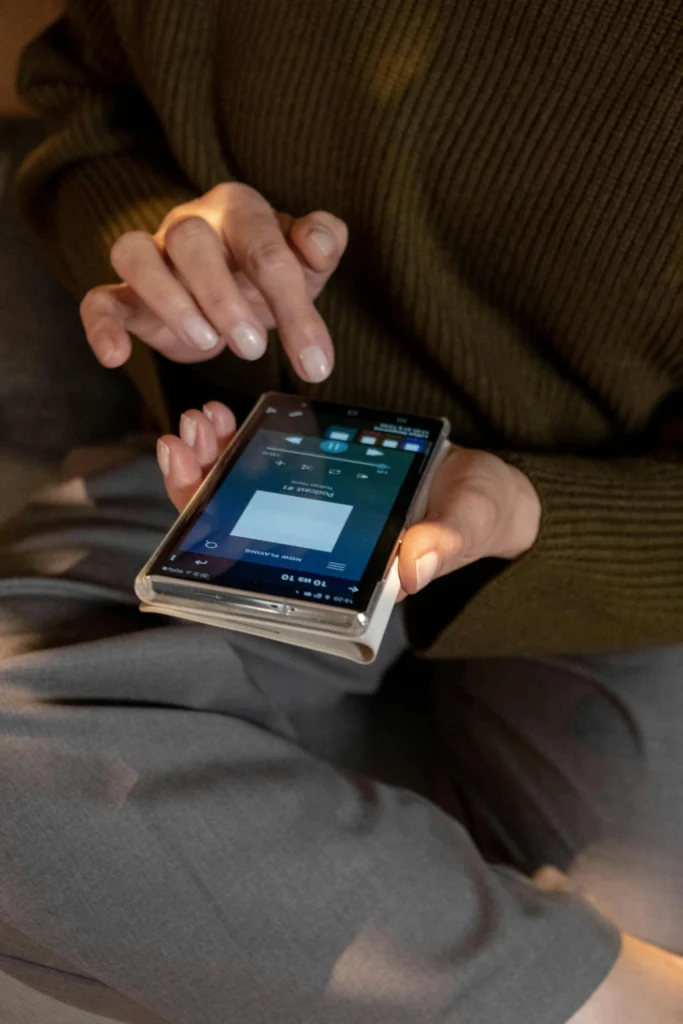
    rolling and trifold smartphones

    Upcoming innovations include:

    • Rollable screens
    • Slide-out expanding displays
    • Tri-fold designs that open like mini laptops
    • Stretchable, flexible displays

    Imagine a device expanding from 6 inches → 10 inches → 14 inches.
    This is the future direction of foldable technology.


    7. Foldables Make Smartphones More Personal

    Foldables adapt to how you use your device:

    • Phone mode → compact and fast
    • Tablet mode → productivity and entertainment
    • Flex mode → hands-free video watching
    • Multi-window mode → professional multitasking

    This level of flexibility makes foldables the most personal smartphones ever made.


    What to Expect From Foldables in 2026 (Key Trends)

    2026 is set to be one of the most important years for foldable smartphones. Here are the top trends shaping foldables in 2026:

    1. Price Drops

    As competition increases, foldables will become more affordable than ever.

    2. Enhanced Durability

    Better hinge mechanisms, crease-free displays, and improved protective layers will make foldables more long-lasting.

    3. Rollable & Tri-Fold Phones for Consumers

    2026 may be the first year these futuristic devices become widely available.

    4. Better App Optimization

    More apps will adopt dual-pane layouts and large-screen functionality.

    5. Foldables Becoming Mainstream

    Global adoption is increasing, and foldables in 2026 could finally move from niche to mainstream.

    Pros and Cons of Foldable Phones

    Pros:

    • Bigger screens in a compact form — enjoy tablet-like displays without carrying a tablet.
    • Better multitasking capabilities — split-screen apps, floating windows, drag-and-drop functionality.
    • More immersive entertainment — movies, games, and reading feel dramatically better on larger internal displays.
    • Improved durability in newer models — stronger hinge mechanisms, better crease resistance, dust protection.
    • Productivity boost — perfect for email, editing documents, online classes, and remote work.
    • Future-ready — foldables are expected to receive exclusive software features from Android and manufacturers.

    Cons:

    • Higher price compared to standard phones — although prices will drop in 2026, they still cost more than regular flagships.
    • Durability concerns still exist — inner displays are more delicate and may require careful handling.
    • Heavier and thicker — not everyone enjoys carrying a bulkier device.
    • App optimization varies — not all apps are designed for foldable screens yet.
    • Repair costs are expensive — hinge, screen, and battery replacements can be costly.
    • Battery efficiency challenges — bigger screens = more battery consumption.

    Foldables vs. Regular Smartphones

    FeatureFoldable PhonesRegular Phones
    Screen SizeLarge internal + externalSingle screen
    MultitaskingExcellentBasic
    DurabilityImproving but fragileStrong
    PriceHigherLower
    WeightHeavierLight
    ProductivityHighMedium
    Repair CostExpensiveModerate

    Should You Buy a Foldable Phone in 2026?

    A foldable phone is perfect for you if you:

    ✔️ Multitask often
    ✔️ Watch lots of content
    ✔️ Prefer a bigger screen
    ✔️ Want a premium device
    ✔️ Do work or study on your phone

    If you prefer small and simple devices, a slab phone may be enough.
    But for productivity and entertainment, foldables offer unmatched value.


    Conclusion

    Foldable phones are not just a passing trend—they represent the next evolution of smartphone technology. With durability improvements, better software experiences, and futuristic designs like rollables and tri-folds, foldables in 2026 mark a major turning point in the smartphone industry.

    The future is flexible, portable, and powerful — and foldables are leading the way.